


 Alec Houle
The Science of Comfort: Why Your Most Expensive Sofa is a ‘Stain Magnet’ (and How to Fix It)
The Science of Comfort: Why Your Most Expensive Sofa is the Hardest to Clean
By Alec Houle
In my 64 years in the cleaning industry, I’ve handled just about every type of fabric imaginable. When clients invest in high-end upholstery, they almost always choose natural fibers: cotton, linen, silk, and wool.
There is a reason these materials have remained the gold standard for centuries. It isn't just about the look; it’s about the science of comfort. However, that same science is what makes these pieces a "stain magnet" if they aren’t handled with expert care.
The "Thermostat" Effect
The reason a linen sofa or a wool chair feels so much better than a synthetic one comes down to Moisture Regain. This is a technical term we use in the textile industry to measure how much moisture a fiber absorbs from the air.
Natural fibers are hydrophilic (water-loving). They act like a natural thermostat for your home:
When you’re hot: These fibers absorb body heat and moisture, keeping you cool.
When it’s cold: They hold onto heat, keeping you warm.
This breathability is why luxury fabrics feel "alive" compared to the "plastic" or "sweaty" feel of cheap synthetics like polyester or olefin, which have almost zero absorbency.
How Your Fabrics Rank
Based on my decades of experience, here is how common fibers rank on the absorbency scale. The higher the percentage, the more comfortable the fabric—but the higher the risk for deep staining:
Fiber Type Moisture Regain Absorbency & Feel Wool 14–18% Highest: The ultimate for comfort and temperature control. Linen 10–12% High: Incredibly breathable, but absorbs spills deeply and fast. Silk 10–11% Moderately High: Luxurious, but prone to permanent water-spotting. Cotton 7–8.5% Absorbent: The classic natural choice that pulls spills into the core. Synthetics < 1% Non-Absorbent: Great for spills, but poor for comfort and breathability. The Trade-Off: Comfort vs. Vulnerability
The very trait that makes wool and linen so comfortable—their thirst for moisture—is exactly what makes them difficult to maintain. When you spill coffee or wine on a natural fiber, the fabric doesn’t just let it sit there; it "drinks" the spill, pulling the pigment deep into the heart of the fiber.
For protein-based fibers like wool and silk, these spills can actually cause a chemical reaction with the fiber itself. This is why "DIY" cleaning on high-end pieces often leads to permanent damage or browning.
Protecting Your Investment
You shouldn't have to sacrifice comfort for peace of mind. After 56 years in business, I have seen that the only way to truly enjoy luxury upholstery is to treat it with a superior, professional-grade fabric protector.
I always recommend a PFAS-free (non-toxic) protector. This creates an invisible barrier that gives you the "reaction time" you need to blot up a spill before it penetrates those thirsty natural fibers. It allows you to keep the breathability you love while getting the stain resistance you need.
Have questions about your specific upholstery?
I’ve spent a lifetime studying the chemistry of clean. Whether you need a forensic pre-inspection or advice on protecting a new piece of furniture, I am here to help.
Alec Houle
Over 64 Years of Industry Experience
Alec's Carpet & Upholstery Cleaning LLC
Call my office: 781-871-1415
Email me directly: Alec@Alecscarpetcleaning.com
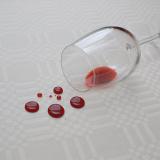
[caption id="attachment_2951" align="alignnone" width="640"]Ultimate protection without the 'forever chemicals.' Our advanced treatments keep your fine fabrics safe from even the toughest spills like red wine[/caption]


-
Carpet & Upholstery Cleaning (17)
-
 Carpet Cleaning (16)
-
 Spot Cleaning (16)
-
 About Rugs (7)
-
 Upholstery Cleaning (7)
-
Outdoor Cushion Cleaning (5)
-
 Fabric Protection (5)
-
 About Carpets (4)
-
 Fabrics (3)
-
 Discussions on Carpet & Upholstery (3)
-
 Leather Upholstery (2)
-
About Alec's Carpet & Upholstery Cleaning (2)
-
 Stains on Carpets (2)
-
Area Rugs (2)
-
 Ask Alec (1)