



Professional Fabric Protection for Fine Furniture
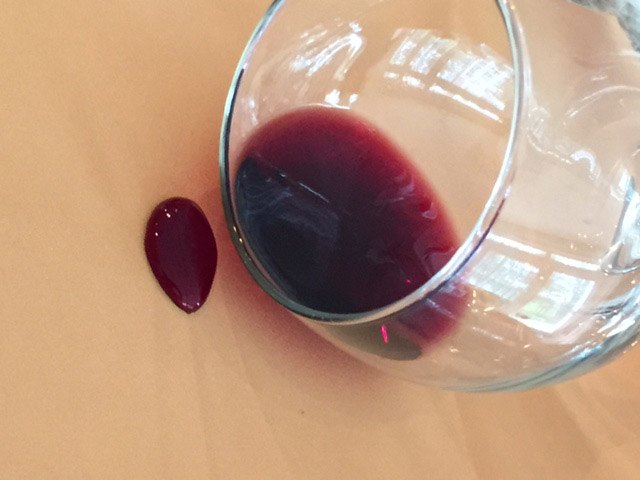
Upholstered furniture is one of the most frequently used textile investments in a home. Sofas, chairs, sectionals, dining room seating and custom pieces are exposed to food and beverage spills, body oils, pet contact and everyday soiling. Once a spill penetrates the fabric, it can become much harder to remove and may cause permanent staining.
At Alec’s Carpet & Upholstery Cleaning LLC, I offer professional fabric protection to help fine furniture fabrics resist spills and everyday soiling. A properly applied protector does not make upholstery stain-proof. Instead, it can slow the absorption of many liquids, giving you more time to blot a spill before it becomes a lasting problem.
To discuss whether fabric protection is appropriate for your furniture, call Alec’s Carpet & Upholstery Cleaning LLC at 781-871-1415. I’ll be happy to answer your questions.
For information about the fabrics we clean and our approach to caring for upholstered furniture, visit my professional upholstery cleaning page.
Why Protect Upholstery?
Unlike carpeting, upholstery fabrics are in frequent direct contact with people and pets. They face:
- Beverage and food spills
- Body oils and hand oils
- Pet contact
- Everyday household soil
- Regular wear from daily use
When upholstery is properly protected, many spills may stay closer to the surface instead of soaking in immediately. That extra time can make the difference between a spill that blots up more easily and one that leaves a lasting mark.
Depending on the fabric and the type of spill, protection may help with:
- Easier blotting of fresh spills
- Reduced absorption of certain liquids
- Better resistance to some everyday soiling
- Easier future professional cleaning
- Maintaining the appearance of the furniture
Protection is not a substitute for prompt attention to spills or regular professional cleaning. Its effectiveness depends on the fabric, the protective product and the type of substance that comes into contact with it.
My Approach to Upholstery Fabric Protection
I do not treat fabric protection as a one-size-fits-all service. Different upholstery fabrics vary in fiber content, texture, absorbency, dye stability and sensitivity to cleaning products. The protective treatment must be selected carefully for the particular fabric.
For upholstery, I prefer a solvent-based protector when it is appropriate for the material. This approach can be useful for fine fabrics where controlling moisture is important. However, the suitability of a product depends on the fabric, its condition and the manufacturer’s recommendations.
Not every fabric is a good candidate for protection, and not every piece of furniture needs it. I am happy to evaluate your furniture and explain whether protection makes sense for how it is used in your home.
My goal is to provide useful protection without unnecessarily changing the appearance, texture or feel of the fabric.
Especially Helpful for Fine and Delicate Fabrics
Fabric protection may be worth considering for:
- Cotton upholstery
- Linen upholstery
- Rayon and viscose blends
- Certain silk or silk-blend fabrics, when appropriate
- Designer upholstery fabrics
- Dining room chair seats
- Light-colored sofas and chairs
- Furniture in active family rooms or entertaining spaces
Not every fabric listed above is suitable for every protective treatment. Delicate materials, in particular, need to be evaluated individually before a product is applied.
For more practical information about upholstery fabrics, cleaning methods and fabric care, visit my Ask Alec upholstery, carpet and rug advice articles.
Why Professional Application Matters
I take a careful approach to upholstery protection. I do not simply apply a generic product without considering the material involved.
My goal is to protect the upholstery while preserving the beauty and integrity of the fabric. That means paying attention to:
- The type of fiber
- The sensitivity and condition of the fabric
- The risk of excessive moisture
- How the fabric may look and feel after treatment
- Whether the protector is appropriate for that particular piece
Because many upholstery fabrics are delicate, expensive or difficult to replace, proper judgment matters just as much as the protective product itself.
We Test Protective Treatments Ourselves
Over the years, I’ve seen furniture damaged by spills that might have been much easier to manage if the fabric had been properly protected. I’ve also tested protectors that did not perform the way I expected.
That’s one reason I continue to test and evaluate the products we use.
I test different protective treatments in our own facility so I can compare their performance under controlled conditions. This hands-on testing helps me evaluate how protectors respond to different fibers, how well they resist spills, whether they change the feel or appearance of the fabric, and whether they are suitable for the types of upholstery we work with.
Our recommendations are based on practical experience and our own evaluations, not just manufacturer claims.
Carefully Selected Protection
When selecting a fabric protector, I consider more than how well it performs. I also pay attention to the product’s formulation and whether it is appropriate for use in customers’ homes.
I believe customers deserve to know what we are applying to their furniture. I’m happy to discuss the products we use, how they are selected and why I recommend a particular treatment for a specific fabric.
Best Applied After Professional Cleaning
Fabric protection is generally most effective when applied after the upholstery has been professionally cleaned. Removing soil, body oils and cleaning residues first can help the protective treatment perform as intended.
That is why many homeowners choose to discuss protection when scheduling professional upholstery cleaning.
After evaluating your furniture, I can explain whether protection is appropriate and whether it makes sense to apply it after cleaning. The goal is to choose the right treatment for the fabric, rather than applying protection automatically to every piece.
Serving Homes Throughout Eastern Massachusetts
Alec’s Carpet & Upholstery Cleaning LLC provides professional upholstery fabric protection throughout Greater Boston, MetroWest, the South Shore and Cape Cod.
Our service area includes communities such as Wellesley, Weston, Concord, Sudbury, Newton and Brookline, along with many surrounding towns.
Whether you want to protect a family-room sofa, dining room seating, a designer chair or other fine upholstered furniture, I’d be happy to discuss the best approach for your home.
Other Cleaning Services
In addition to fabric protection, Alec’s Carpet & Upholstery Cleaning LLC provides professional carpet cleaning and area rug cleaning throughout our service area.
Learn more about our professional carpet cleaning and professional area rug cleaning services.
Ready to Talk About Fabric Protection?
If you are planning to have your upholstery professionally cleaned, this is a good time to discuss whether fabric protection would benefit your furniture.
I can evaluate the fabric, explain the options and give you an honest recommendation based on how the furniture is used.
Call Alec’s Carpet & Upholstery Cleaning LLC at 781-871-1415 to discuss professional fabric protection.
You can also reach us at 781-871-4428 or by email at Alec@Alecscarpetcleaning.com.
I have been cleaning carpets and upholstery since 1970, and I bring that same careful, experience-based approach to protecting fine furniture fabrics.