


Professional In-Plant Rug Cleaning in Abington, Massachusetts

Not all area rugs should be cleaned the same way. Some can be cleaned successfully in the home, while others benefit from the more controlled process available at a professional rug-cleaning facility.
At Alec’s Carpet & Upholstery Cleaning LLC, I provide professional in-plant cleaning for Oriental rugs, Persian rugs, wool rugs, cotton rugs, antique rugs, hand-knotted rugs, needlepoint rugs, border rugs, designer rugs, and many other specialty area rugs.
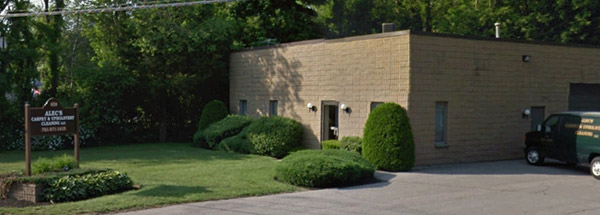
Our rug-cleaning facility in Abington, Massachusetts, allows us to inspect, dust, treat, wash, rinse, dry, groom, and evaluate rugs under controlled conditions. This is particularly valuable when a rug has heavy soil buildup, fringe discoloration, staining, odor concerns, structural issues, or a construction that requires special handling.
I built our Abington rug-cleaning facility in 1979 specifically for cleaning and drying area rugs properly. It remains an important part of our business today.
My approach is straightforward: understand the rug, determine what it needs, and select the cleaning method that makes the most sense for that particular rug.
Why Many Fine Rugs Benefit From In-Plant Cleaning
A rug can look relatively clean on the surface while holding a surprising amount of dry soil, grit, dust, pet dander, and other contaminants deep within its foundation.
That is especially true of rugs that have been used for many years, rugs exposed to sand and outdoor soil, and rugs that have not received regular maintenance.
When people walk across a rug containing abrasive particles, those particles can rub against the fibers and contribute to premature wear. Thorough dry-soil removal is therefore an important part of proper rug care.
In-plant cleaning also gives us the opportunity to address concerns that can be difficult to handle during ordinary in-home cleaning.
Depending on the rug’s condition and cleaning requirements, these may include:
- Removing deeply embedded dry soil before washing.
- Inspecting fibers, dyes, foundations, fringe, and previous repairs.
- Treating spots, stains, and problem areas individually.
- Thoroughly cleaning and rinsing the rug.
- Controlling the drying process.
- Addressing stain wick-back if it appears during drying.
- Cleaning fringe that requires separate attention.
- Blocking certain rugs to help restore their proper shape.
- Performing a final inspection before the rug is returned.
Not every rug requires all these procedures. The appropriate process depends on the individual rug and its condition.
Types of Area Rugs We Clean
Our Abington facility handles many different types of rugs, including:
- Oriental rugs
- Persian rugs
- Wool area rugs
- Cotton rugs
- Hand-knotted rugs
- Antique and heirloom rugs
- Needlepoint rugs
- Border rugs
- Designer rugs
- Custom area rugs
- Contemporary rugs
- Other specialty rugs
Different fibers, dyes, and construction methods can require different cleaning approaches. A rug’s age, previous cleaning history, condition, and exposure to spills also matter.
For example, an older rug with a weakened foundation may need a different approach from a relatively new wool rug in good condition. A rug with potentially unstable dyes needs careful evaluation before any wet cleaning is considered.
That is why I believe proper rug cleaning begins with inspection rather than automatically applying the same process to every rug.
Our Professional In-Plant Rug Cleaning Process
Every rug is evaluated individually. Although the exact procedure varies, our in-plant cleaning process generally includes the following steps.
1. Inspection and Evaluation
We examine the rug’s fibers, construction, dyes, condition, wear patterns, fringe, stains, and any areas that may require special attention.
The purpose is to identify potential problems before cleaning begins and determine the most appropriate method.
2. Dry Soil Removal
Before wet cleaning, we remove as much dry soil and abrasive grit as practical using methods appropriate for the rug.
This is an important step because a rug can contain deeply embedded particulate soil even when its surface looks reasonably clean.
I explain this in more detail in my Ask Alec article, Why Hand-Knotted and Oriental Rugs Are Sometimes Dusted Before Washing.
Not every rug needs intensive dusting. The decision depends on the amount of embedded soil and the rug’s construction and condition.
3. Special Treatment of Problem Areas
Spots, stains, traffic areas, fringe discoloration, and other concerns may need individual treatment before the main cleaning process.
Different stains can require different treatments. The appropriate approach depends on what caused the stain, the fibers involved, the dyes, and whether previous cleaning attempts have affected the area.
4. Appropriate Cleaning
We select a cleaning method based on the rug’s fiber type, dye stability, construction, condition, and level of soiling.
Some rugs are suitable for a thorough wash, while others may require a more cautious approach.
As I explain in Ask Alec: Does Every Oriental Rug Really Need a Bath?, not every Oriental rug should automatically receive the same treatment. The objective is to clean the rug appropriately while respecting its individual characteristics.
5. Thorough Rinsing
After cleaning, the rug is rinsed to help remove suspended soil and cleaning agents.
Effective rinsing is important because cleaning is not simply a matter of loosening soil. The loosened soil and cleaning residues must also be removed as thoroughly as the rug and cleaning method allow.
6. Softened Water for Cleaning and Rinsing
The water used in our cleaning process passes through a water softener.
Softened water reduces the effects of hard-water minerals, which can interfere with cleaning and contribute to mineral deposits. This helps us clean and rinse more effectively and can reduce the mineral residue that sometimes leaves fibers feeling stiff after drying.
7. Controlled Drying
Proper drying is one of the most important parts of professional rug cleaning.
Excessive moisture, slow drying, and differences in how fibers and foundation materials react to moisture can contribute to problems such as odor, browning, color-related issues, or distortion.
Our facility allows us to manage the drying process more carefully than is generally possible in an ordinary home environment.
8. Addressing Wick-Back When Necessary
Sometimes a spill penetrates deeper into a rug than the visible stain suggests. During drying, dissolved material can migrate back toward the surface and cause discoloration to reappear.
This is commonly called wick-back.
One advantage of cleaning a rug in our plant is that we can monitor it as it dries. If wick-back appears and the condition is suitable for further treatment, we can address the affected area again before the rug is returned.
9. Blocking When Needed
Certain rugs may require blocking after cleaning to help restore their proper shape and allow them to dry in that shape.
Needlepoint rugs and some border rugs are examples. Their construction can cause them to distort or ripple when exposed to moisture.
Blocking requires appropriate handling and space, making a rug plant particularly useful when this procedure is necessary.
For more information, see Ask Alec: Why Is My Area Rug Waving or Buckling After Cleaning?.
10. Fringe Cleaning and Final Inspection
Fringe often needs separate attention because it may contain different fibers or have accumulated soil differently from the body of the rug.
Once cleaning and drying are complete, we perform a final inspection and grooming before preparing the rug for return.
Our goal is to deliver a rug that has received the appropriate care throughout the cleaning process, not simply one that looks cleaner on the surface.
Why Dry Soil Removal Matters So Much
One of the most overlooked aspects of rug care is the amount of dry soil that can accumulate deep within a rug’s foundation.
Fine sand and other abrasive particles can work their way between the fibers. As people walk across the rug, these particles may rub against the fibers and contribute to wear over time.
Routine vacuuming is essential for maintenance, but it cannot always remove everything that has become deeply embedded.
That is why we evaluate the amount of dry soil present before deciding how a rug should be cleaned.
The important distinction is that not every rug needs the same level of soil removal. A well-maintained rug in a relatively clean environment may need less intensive preparation than one exposed to heavy traffic, sand, pets, or years of accumulated soil.
The right procedure is the one appropriate for the rug in front of us.
A More Careful Approach to Valuable Rugs
Fine rugs can be among the most valuable textile furnishings in a home. Some are valuable because of their craftsmanship or age. Others are family heirlooms or pieces that would be difficult or impossible to replace.
Before cleaning, it is important to consider more than the visible surface.
The rug may have unstable dyes, a weakened foundation, previous repairs, delicate fibers, or construction materials that react differently to moisture. Those factors can affect both the cleaning method and the drying process.
I have learned through decades of hands-on experience that proper rug cleaning is not about using the strongest cleaning solution or the most aggressive procedure available. It is about understanding the rug and making informed decisions.
If a rug can be cleaned safely and effectively using a less aggressive approach, there is no reason to subject it to unnecessary treatment.
That philosophy has guided my work throughout my career.
Pickup and Return Service for Fine Area Rugs
For rugs that are best cleaned at our facility, we can arrange pickup and return service.
This is especially helpful for larger rugs, delicate pieces, and rugs that require procedures that cannot readily be performed in the home.
If you are unsure whether your rug should be cleaned on site or brought to our Abington facility, contact us to discuss its size, construction, condition, and cleaning needs. We can help you determine which approach makes the most sense.
Serving Greater Boston, MetroWest, the South Shore and Cape Cod
From our Abington, Massachusetts, facility, I provide professional area rug cleaning for homeowners throughout Greater Boston, MetroWest, the South Shore, and Cape Cod.
We serve communities including Wellesley, Weston, Concord, Sudbury, Newton, Brookline, and many surrounding towns.
Whether you have an Oriental rug, Persian rug, wool rug, needlepoint, border rug, or another specialty area rug, I would be happy to discuss your cleaning needs.
You can also visit our professional carpet cleaning page to learn more about our other cleaning services.
More Than 56 Years of Professional Cleaning Experience
I began cleaning carpets, upholstery, and rugs in 1962, and Alec’s Carpet & Upholstery Cleaning has been serving homeowners since 1970.
Over the years, I have worked with many different types of rugs and textiles. That experience has taught me that the best results begin with understanding what is being cleaned, why it needs cleaning, and what procedures are appropriate for its particular fibers and construction.
Through my Ask Alec carpet, upholstery, and rug-care articles, I share practical advice based on real-world experience to help homeowners make informed decisions about caring for their furnishings.
I believe homeowners deserve honest answers and a cleaning recommendation based on the actual needs of their rug.
Ready to Discuss Your Oriental or Area Rug?
If you have an Oriental rug, Persian rug, wool rug, antique rug, needlepoint, border rug, or another fine area rug that needs professional attention, I would be happy to help.
We can discuss the rug, answer your questions, and determine whether in-plant cleaning is the appropriate choice.
Call Alec’s Carpet & Upholstery Cleaning LLC:
Primary Phone: 781-871-1415
Alternate Phone: 781-871-4428
Email: Alec@Alecscarpetcleaning.com
You can also contact us online to discuss professional area rug cleaning and arrange pickup when appropriate.
I look forward to helping you care for your rugs.