


 Alec Houle
Why Waiting Until Your Furniture "Looks Dirty" is a Costly Mistake
We’ve all been there. You look at your favorite sofa or armchair, decide it still looks pretty good, and think, “I can hold off on getting this cleaned for another year.”
It makes sense on the surface. Why pay to clean something that doesn't look dirty?
But as fabric care experts, we’re going to let you in on a hidden truth about upholstery: The human eye only detects about 10% of the actual soil on a piece of furniture.
By the time you can actually see the dirt on your sofa, the fabric is already in a state of distress. Here is the science behind why waiting for the visual cue is costing you money, and how a simple shift in timing changes everything.
The Filter Effect: Where the Other 90% Hides
Upholstery fabric isn't a flat, solid surface like a countertop. It’s a complex, three-dimensional web of woven yarns, microscopic valleys, and textures. Because of this, your furniture acts like a giant air filter in your living room.
Every single day, your sofa traps:
Microscopic dust and airborne cooking oils
Dead skin cells (the primary food source for dust mites)
Fine, sharp grit tracked in from outside
Body oils and pet dander
Because of the depth of the weave, the vast majority of this soil settles deep down into the base of the fibers. It stays completely invisible to the naked eye. It is only when the fabric is completely saturated from the bottom up that the dirt finally spills over onto the surface.
In short: If your sofa looks dirty today, it has actually been dirty for months.
A Tale of Two Homeowners (Same Cost, Different Results)
To understand why this matters, let’s look at two different homeowners. Both of them budget for a professional upholstery cleaning exactly once a year. The cost out of pocket is identical, but the results are worlds apart.
Homeowner A: The Reactive Approach
This homeowner waits until their eyes say it’s time. They clean the sofa only when it starts looking dingy.
The Result: Because they wait for the visual cue, their sofa spends several months out of every year looking dull and soiled before it finally gets reset.
Homeowner B: The Proactive Approach
This homeowner schedules their cleaning on a regular cycle—say, every 12 months—regardless of how it looks. They clean it before the soil threshold is reached.
The Result: By resetting the hidden soil back to zero before it ever hits the surface, their furniture looks brand new 365 days a year.
The Takeaway: Both homeowners spent the exact same amount of money on professional cleaning over a five-year period. But Homeowner B enjoyed a pristine, healthy home the entire time, while Homeowner A lived with visibly soiled furniture for half of it. Same investment, totally different outcome.
The Hidden Penalty: "The Sandpaper Effect"
There is an even bigger reason not to wait. Those microscopic soil particles hiding deep in your cushions aren't just dirty—they are highly abrasive, sharp-edged minerals.
Every single time someone sits on the furniture, their body weight grinds that embedded grit directly against the delicate fabric fibers. Think of it like walking on your sofa with sandpaper. Over time, this micro-abrasion physically scratches and cuts the yarns, leading to:
Fraying and premature thinning of the fabric
Permanent "traffic lanes" or graying that can never be cleaned out, because the fibers themselves are physically damaged
A dull appearance, because the scratched fibers can no longer reflect light properly
How to Set Your Schedule
You don’t have to clean every piece of furniture in your house at the same interval. A smart maintenance plan is based on actual usage:
The Family Room / Pet Favorites: These are high-traffic zones. They should be professionally cleaned every 12 months to stay ahead of the soil curve and protect the fabric from heavy abrasion.
The Formal Living Room: Since this area gets far less foot traffic and use, it can easily go 24 to 36 months between cleanings and still maintain that pristine, like-new baseline.
The Bottom Line
Don't let your eyes fool you. Cleaning upholstery isn't just about removing stains after they happen; it’s about preserving the life of your investment. By staying ahead of the clock instead of chasing the dirt, your home will always look its best, and your furniture will last years longer.
Ready to Reset Your Furniture?
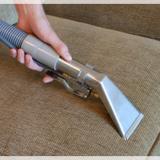
[caption id="attachment_2312" align="alignnone" width="720"]Extracting the hidden 90%—removing deep-seated grit and oils before they damage the delicate fabric fiber[/caption]
Is your family room sofa or favorite armchair due for its baseline reset? Don't wait until the damage is visible to the eye. Protect your investment and keep your home truly clean.
Schedule Your Professional Upholstery Cleaning Today!.... Call us at 781-871-1415


-
 Carpet Cleaning (16)
-
Carpet & Upholstery Cleaning (16)
-
 Spot Cleaning (15)
-
 About Rugs (7)
-
 Upholstery Cleaning (7)
-
Outdoor Cushion Cleaning (5)
-
 Fabric Protection (5)
-
 About Carpets (4)
-
 Fabrics (3)
-
 Discussions on Carpet & Upholstery (3)
-
 Leather Upholstery (2)
-
About Alec's Carpet & Upholstery Cleaning (2)
-
 Stains on Carpets (2)
-
Area Rugs (2)
-
 Ask Alec (1)