


Protecting Fine Carpets, Area Rugs and Specialty Fibers
Fine carpets and area rugs are an important investment in the beauty, comfort, and character of your home. Whether you have custom wall-to-wall carpeting, a wool broadloom, a hand-knotted Oriental rug, or a designer area rug, the right protective treatment may help reduce the impact of everyday spills and make future maintenance easier.
At Alec’s Carpet & Upholstery Cleaning LLC, I provide professional carpet and area rug protection throughout Greater Boston, MetroWest, the South Shore, and Cape Cod.
My approach is simple: evaluate the material, determine whether protection is appropriate, and select a product suited to the particular fiber and construction.
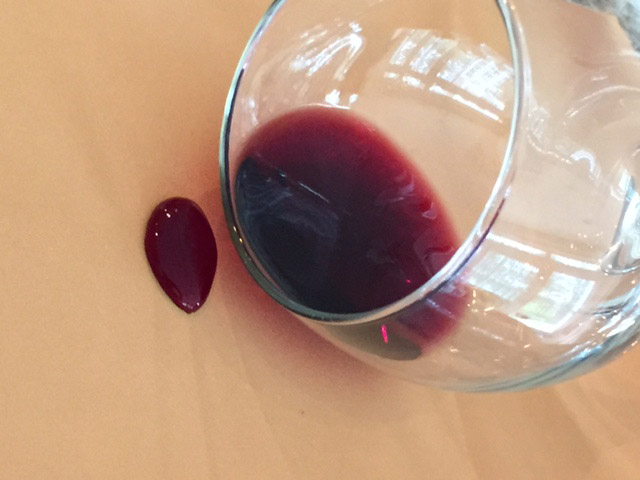
A properly applied protector does not make a carpet or rug stain-proof. Depending on the product and material, it can help slow the absorption of certain spills, giving you more time to blot them before they penetrate the fibers. That extra time can sometimes make the difference between a manageable spill and a difficult stain.
Why Carpet and Rug Protection Matters
Carpets and rugs face everyday challenges, including:
- Food and beverage spills
- Tracked-in dirt and grit
- Body oils and other oily soils
- Accidental spills from children, guests, and pets
- Frequent foot traffic in hallways, stairs, and family rooms
When a spill penetrates an absorbent fiber, it can be difficult to remove completely. Some substances can also leave sticky residues that attract additional soil, while certain spills can permanently alter the color of a fiber.
Depending on the material and the protective treatment selected, professional protection can help:
- Slow the absorption of certain liquid spills.
- Give you additional time to blot an accident.
- Make some types of spots easier to address.
- Help certain soils release more readily during subsequent cleaning.
- Make routine maintenance easier in appropriate applications.
Protection is not a substitute for regular vacuuming, prompt attention to spills, or professional cleaning. It is an additional tool that can be useful when applied to the right material.
Not Every Carpet or Rug Should Be Protected the Same Way
One of the biggest mistakes in fiber protection is assuming that every carpet and rug should receive the same product.
A wool rug is not the same as a synthetic family-room carpet. A cotton rug is different from a nylon broadloom, and a delicate viscose rug can require a particularly cautious approach.
Different fibers have different absorbency characteristics, and their dyes, construction, and existing finishes can affect whether a protective treatment is suitable.
In general:
- Some wool carpets and rugs can benefit from an appropriate protective treatment.
- Certain synthetic carpets may already have built-in stain resistance or may gain relatively little from additional protection.
- Delicate natural or specialty fibers may require specific products or may be better left untreated.
- The wrong treatment can be unsuitable for certain materials or alter their appearance or feel.
That is why I evaluate the material before making a recommendation. I don’t believe in automatically applying protector to every carpet or rug simply because it is available.
My Approach to Carpet and Rug Protection
I use both solvent-based and water-based protectors, depending on the material and the requirements of the job.
For area rugs: The choice depends on the fiber, dye stability, construction, existing finishes, and condition of the rug. Some rugs are good candidates for protection, while others require a different approach.
For wall-to-wall carpeting: I consider the carpet fiber, any existing factory-applied treatment, the carpet’s condition, and how the area is used. If additional protection is unlikely to provide meaningful benefits, I’ll tell you.
My goal is not to sell protector on everything. It is to recommend it when I believe it makes practical sense for the carpet or rug involved.
If you are considering protection for a fine Oriental or Persian rug, you can also learn about our professional in-plant area rug cleaning service.
Which Carpets and Rugs May Benefit From Protection?
Protective treatments may be worth considering for certain materials and situations, including:
- Wool carpeting and wool area rugs
- Oriental and Persian rugs, when appropriate
- Light-colored carpets in frequently used rooms
- Custom carpeting and stair runners
- Designer area rugs
- Selected natural-fiber carpets and rugs
- Carpets and rugs in homes where accidental spills are a concern
The value of protection depends on the material, the product, and the way the carpet or rug is used.
For example, a light-colored wool rug in a busy family room may be a good candidate for a suitable protector. A synthetic carpet that already has effective factory-applied stain resistance may have less to gain from an additional treatment.
Some specialty fibers also require extra caution. The appropriate recommendation should always be based on the actual material rather than a general rule that every rug needs protection.
What Carpet and Rug Protector Can and Cannot Do
I believe it is important to set realistic expectations before applying any protective treatment.
What protection may help with:
- Slowing the absorption of certain liquid spills.
- Giving you more time to blot before a spill penetrates deeply.
- Making some spots easier to treat.
- Helping certain soils release more readily during future cleaning.
What protection cannot guarantee:
- That every spill will bead up or remain on the surface.
- That a carpet or rug will be stain-proof.
- That every stain can be removed.
- That bleach or other damaging chemicals will not affect the color.
- That the carpet will be protected from abrasive wear, crushing, or other physical damage.
The performance of a protector depends on the product, the fiber, the application, and the substance involved. Prompt blotting and appropriate cleaning remain important even after protection has been applied.
We Test Protective Treatments in Our Own Rug Plant
I evaluate different protective treatments in our own rug-cleaning facility so I can compare their practical performance on different materials.
That hands-on evaluation helps me consider questions such as:
- How does a treatment perform on different fibers?
- Does it noticeably change the feel or appearance of the material?
- How does it respond to liquid spills?
- Is it appropriate for the intended carpet or rug?
- Am I comfortable recommending it for use in a customer’s home?
Testing and practical experience help inform my recommendations. I also consider the product’s intended use, formulation, and suitability for the material being treated.
I believe customers deserve to know what is being applied to their furnishings and why I recommend it. If you have questions about the type of protector used for your carpet or rug, I’m happy to discuss it with you.
When Is the Best Time to Apply Carpet or Rug Protection?
Protection is generally worth considering after professional cleaning, once the material is suitably clean and ready for treatment.
Removing accumulated soil and cleaning residues first can help provide a more appropriate surface for applying a protector. The product’s application instructions and the requirements of the particular fiber determine the proper procedure.
For this reason, many customers choose to discuss protection when arranging professional carpet cleaning or in-plant rug cleaning.
If you’re planning to have your carpets cleaned, visit our professional carpet cleaning page to learn more about our services. We can also discuss whether adding protection makes sense for the carpet being cleaned.
Professional Carpet and Rug Protection Throughout Eastern Massachusetts
I provide professional carpet and area rug protection throughout Greater Boston, MetroWest, the South Shore, and Cape Cod.
We serve communities including Wellesley, Weston, Concord, Sudbury, Newton, Brookline, and many surrounding towns.
Whether you’re considering protection for a wool carpet, an Oriental rug, a custom stair runner, or selected carpeting in a busy family home, I’d be happy to discuss the options.
More Than 56 Years of Professional Cleaning Experience
I began cleaning carpets, upholstery, and textiles in 1962, and Alec’s Carpet & Upholstery Cleaning has been serving homeowners and businesses since 1970.
Over the years, I’ve learned that effective cleaning and protection begin with understanding the material. Different fibers respond differently to cleaning agents and protective treatments, and what works well on one material may not be appropriate for another.
That experience is why I take a careful, individual approach rather than automatically recommending the same product for every job.
Through my Ask Alec series, I share practical advice about carpet care, upholstery, area rugs, and other textile-cleaning concerns.
My goal is to give customers honest recommendations based on their actual needs.
Ready to Discuss Carpet or Rug Protection?
If you’re considering professional protection for your carpeting or area rugs, I would be happy to discuss the material, how it is used, and whether a protective treatment is worthwhile.
Primary Phone: 781-871-1415
Alternate Phone: 781-871-4428
Email: Alec@Alecscarpetcleaning.com
I’ll give you straightforward advice based on the fiber, the condition of the carpet or rug, and the practical benefits protection may offer.